The American Chemical Society (ACS) has named a team of Novartis researchers among its 2026 Heroes of Chemistry, recognizing their work devising a fundamentally new therapeutic approach for people living with the blood cancer chronic myeloid leukemia (CML). The award reflects the Novartis commitment to bold science pursued with patients in mind.
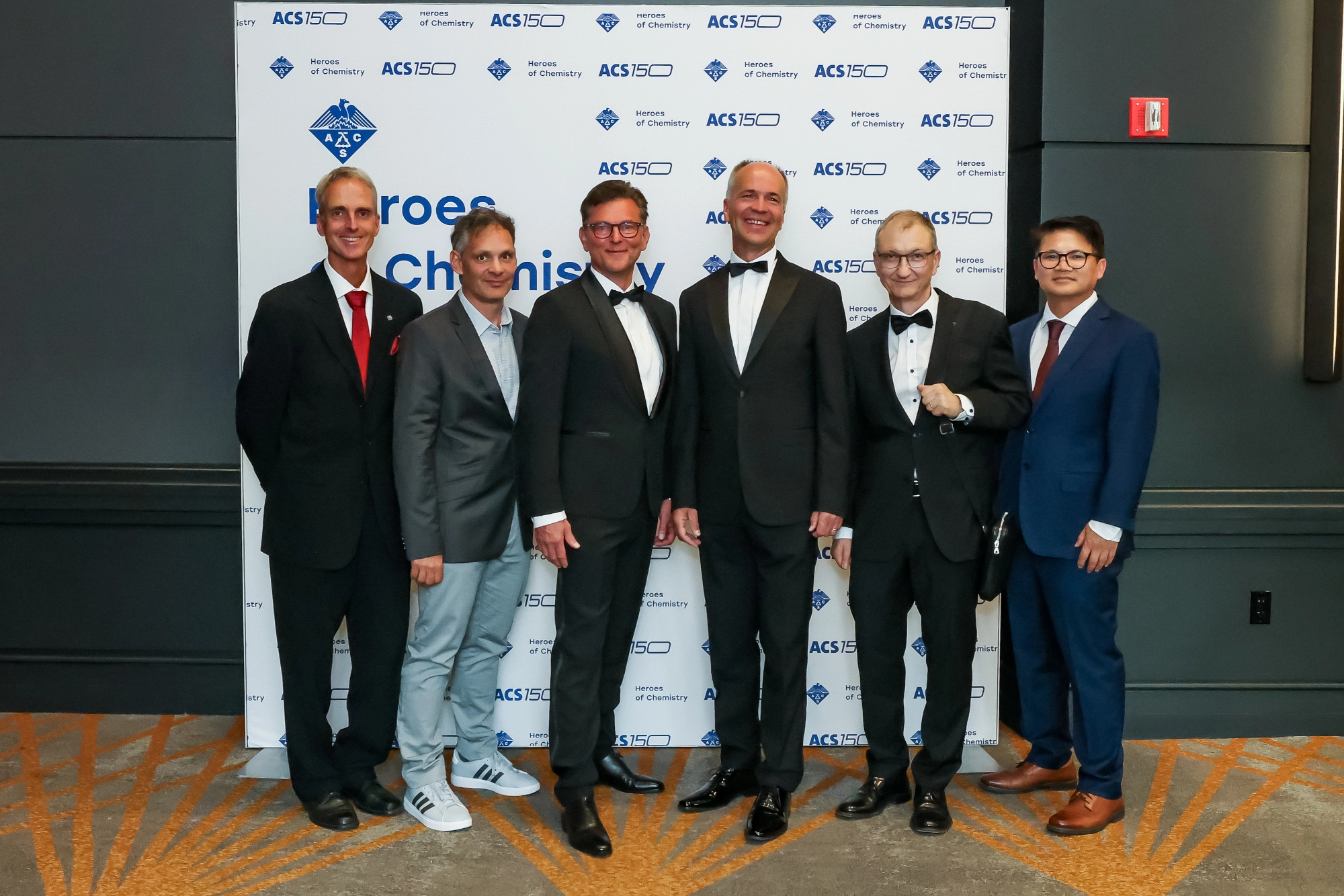
The annual ACS Heroes of Chemistry program honors teams of industrial scientists whose chemistry has led to successful products that benefit humankind. The Novartis awardees, Pascal Furet, Robert Grotzfeld, Wolfgang Jahnke, Andreas Marzinzik, Barun Okram, Xavier Pelle, and Joseph Schoepfer were celebrated with other winners at a recent event in Chicago and inducted into the Heroes of Chemistry scientific hall of fame.
How the Novartis team changed the CML treatment landscape
Prior to the team’s discoveries, the first generations of CML treatments targeted the same active site on a cancer-causing protein (a tyrosine kinase produced by the oncodriver BCR-ABL1) that allowed certain blood cells to proliferate unchecked. These tyrosine kinase inhibitors (TKIs) transformed care in CML, but they didn’t work for every patient and sometimes even positive responses to the drugs didn’t last – a phenomenon known as cancer drug resistance.
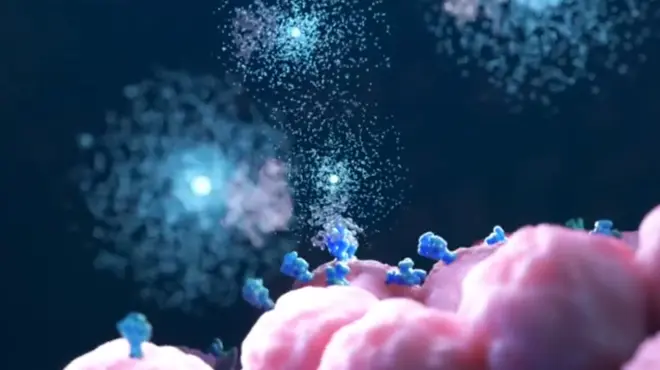
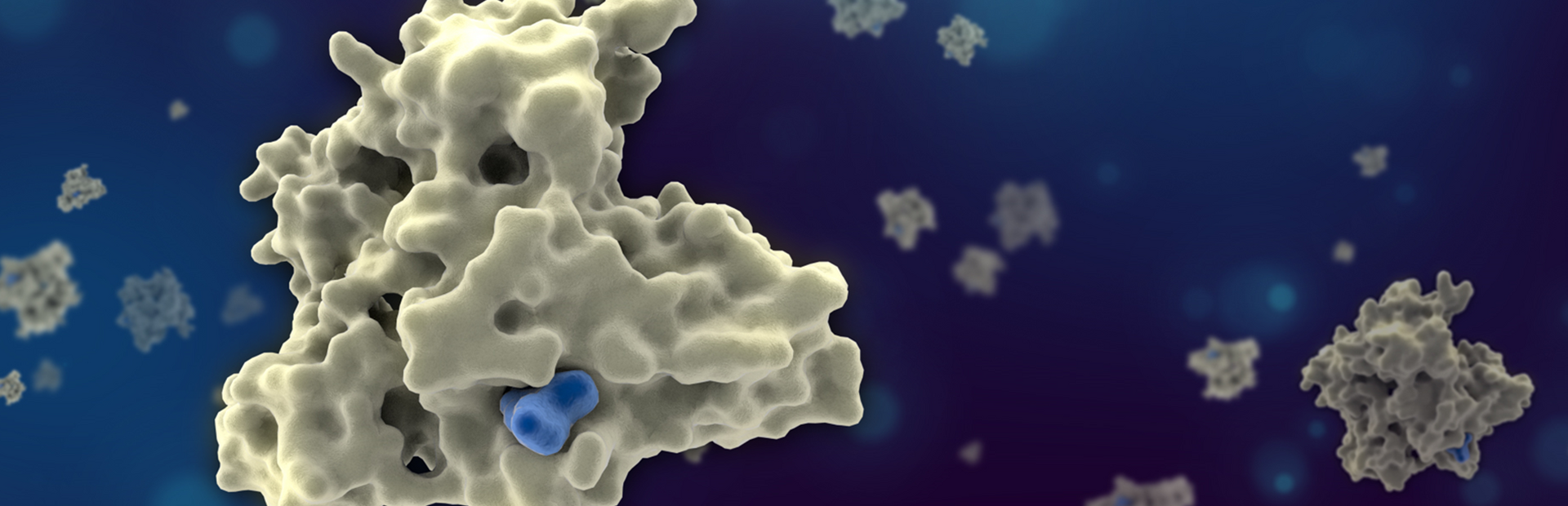
The Novartis team reimagined treatment for the disease by following a scientific signal pointing to an entirely new target on the same, cancer-causing protein. This previously hidden pocket – an allosteric binding site on the BCR-ABL1 protein – offered a new and complementary mechanism for addressing BCR-ABL1 biology. Over a number of years, the team worked together to develop a molecule that could exploit that newly discovered pocket to restrict the protein to its inactive state.
Pursuing that novel hypothesis required curiosity, persistence and close collaboration across disciplines. Chemists, structural biologists, computer-aided drug design experts and other researchers worked together using the latest technologies to uncover new insights into the disease’s biology, and then turn that knowledge into a medicine that helped address drug resistance in CML.
Their award celebrates both the individual scientific contributions and collective effort required to turn a bold drug discovery concept into an innovation, leading to a new therapeutic option for people with CML.