Leprosy is ancient. Skeletal records showing evidence of leprosy date back to 3500BCE, with recent efforts to chart its DNA 'family tree' suggesting the disease may even be the oldest specific to humans, afflicting early hominids millions of years ago2.
Remarkably, the most decisive gains in the fight against leprosy have only come within the last few decades. Since the introduction of multidrug therapy (MDT) in the 1980s3, Novartis and partners have helped reduce cases by more than 95%4. Over the past 25 years, our Partnership to Eliminate Leprosy with World Health Organization (WHO) has reached more than 8.3 million people worldwide with more than 77 million blister packs of treatment, provided at no cost. Together, we have protected access, interrupted transmission and prevented life-long disability for patients on the margins of healthcare.
That’s why Novartis and the World Health Organization (WHO) have renewed their partnership on January 21, 2026. For five more years, Novartis will provide MDT globally at no cost to people and communities affected by leprosy. To interrupt transmission and protect family members and close contacts of patients, Novartis is also providing funding for a compound capable of serving as post-exposure prophylaxis. Together, we aim to treat one million more people by 2030 and prevent countless new cases.
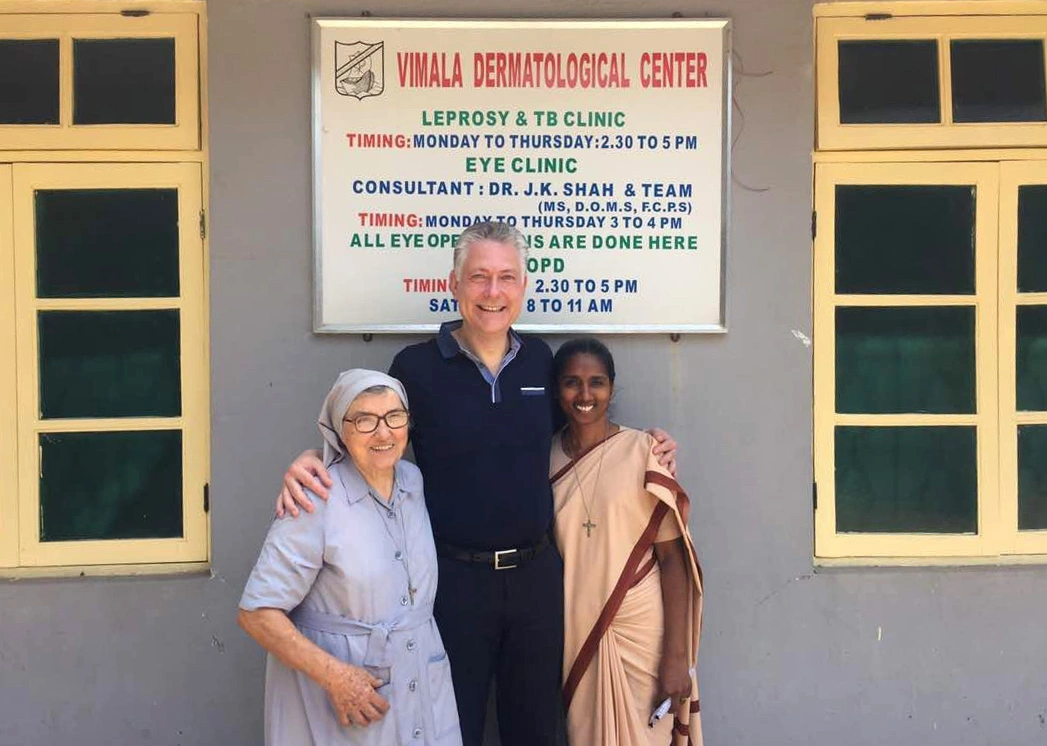
I began my career as a public health physician in the late 1980s, treating patients with leprosy in India. At that time, MDT had just profoundly changed the way we could care for these patients. And while case numbers around the globe have declined significantly since then, we see the number of new infections persisting in certain geographies, carrying a risk of life-long disabilities. Together with the WHO, we are committed to staying the course to pursue a vision of a world free of leprosy.
Dr. Lutz Hegemann, President Global Health
The unwavering commitment of partners like Novartis over the past quarter-century has been foundational to the progress made against leprosy. This enduring collaboration exemplifies the power of global solidarity in health—a reminder that, together, we can overcome even the oldest and most entrenched health challenges when science, equity, and partnership align.
Dr. Jeremy Farrar, WHO Assistant Director-General for the Division of Health Promotion, Disease Prevention and Care.
In addition to the renewal of this partnership, Novartis has announced to collaborate with the TB Alliance, a non-profit drug developer specializing in mycobacterial diseases, to provide scientific and strategic advice on the development of a potential next generation treatment for leprosy. This could represent the first innovation in leprosy since the introduction of multidrug therapy more than 40 years ago.
About leprosy
Leprosy is an infectious condition that affects the skin and nerves . It can cause pale patches and loss of sensation in the skin, as well as muscle weakness—and, when diagnosis is delayed, it can lead to life-long disability. Transmission pathways are still hard to pinpoint, and there is no simple, rapid test to diagnose infection.
Treating the disease, however, has transformed in the last century: in the 1940s, dapsone was found to work against Mycobacterium leprae . Over time, resistance reduced its effectiveness, driving the need for combination therapy. MDT, a three-drug regimen of rifampicin, dapsone, and clofazimine, has been available since the 1980s . In 1982, the WHO recommended the treatment , making an effective cure possible at scale for the first time.
Going beyond medicines to fight stigma
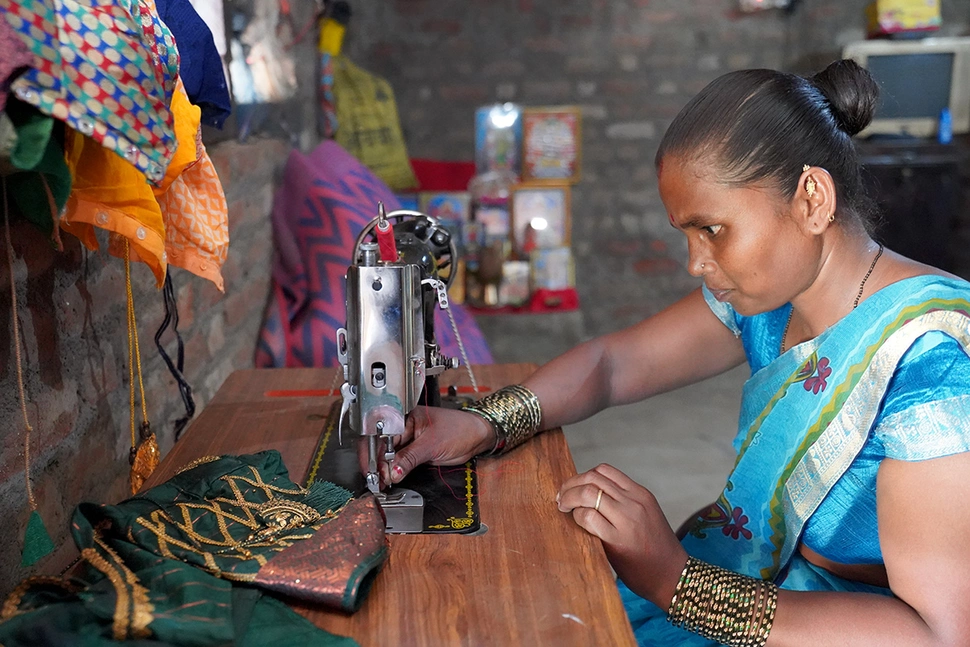
Even with effective treatment, many people affected by leprosy still face discrimination, often rooted in fear, misinformation, or laws and practices that haven’t kept pace with science and society. This can limit access to work, education, and healthcare, and can ostracize entire families. That’s why Novartis country organizations in higher-burden geographies like India and Brazil work with partners to employ initiatives that go beyond donating medicines.
Brazil: A ride on the Leprosy Health Truck
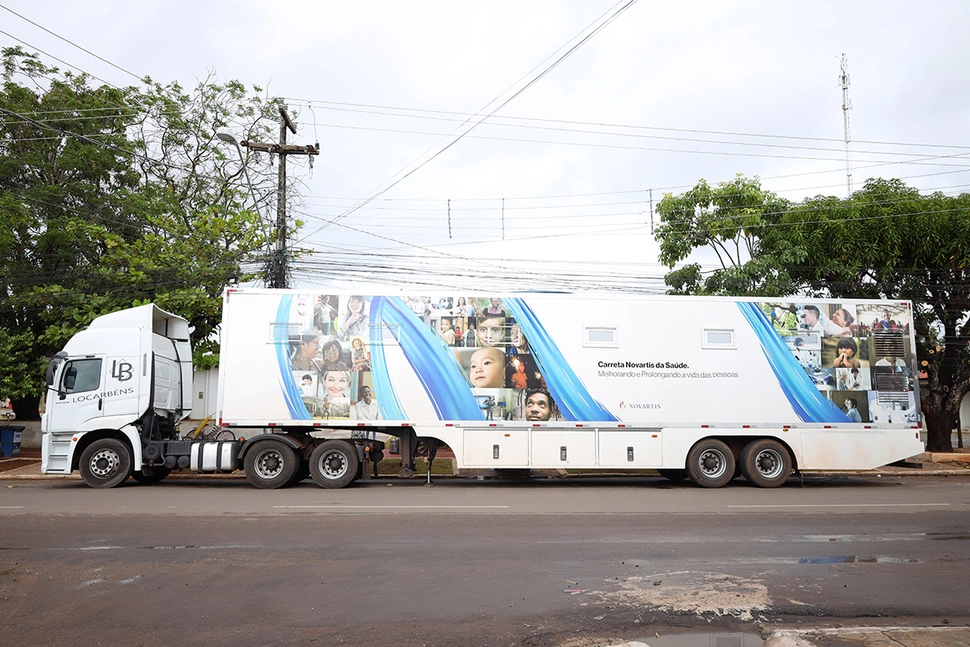
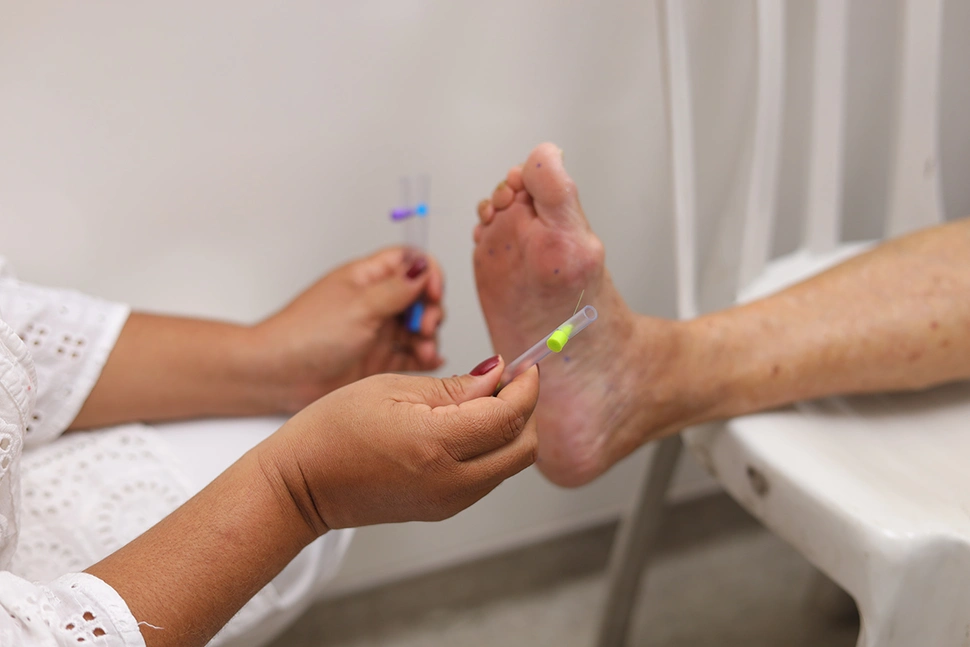
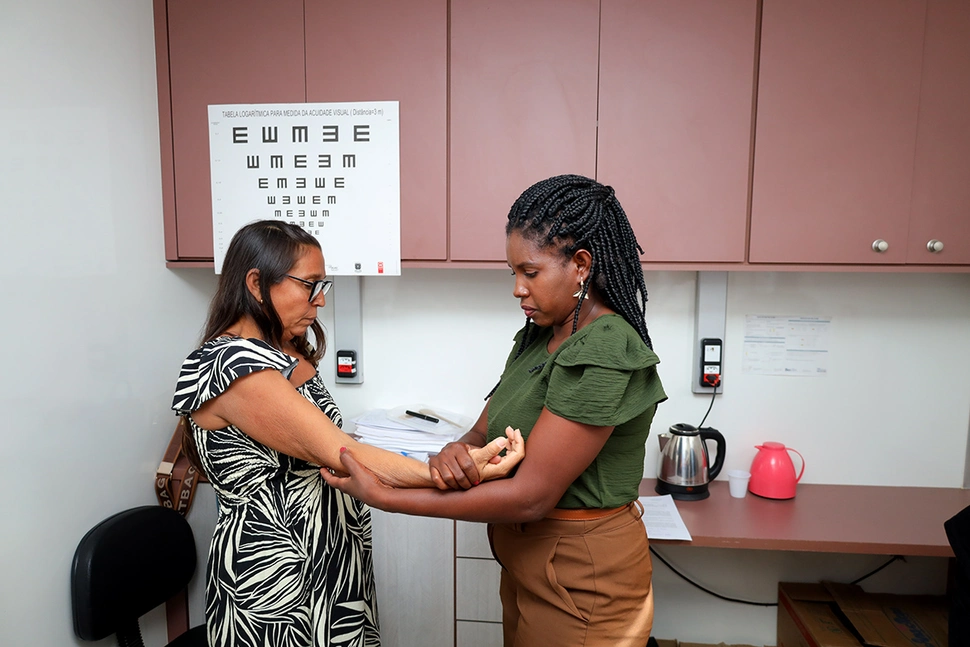
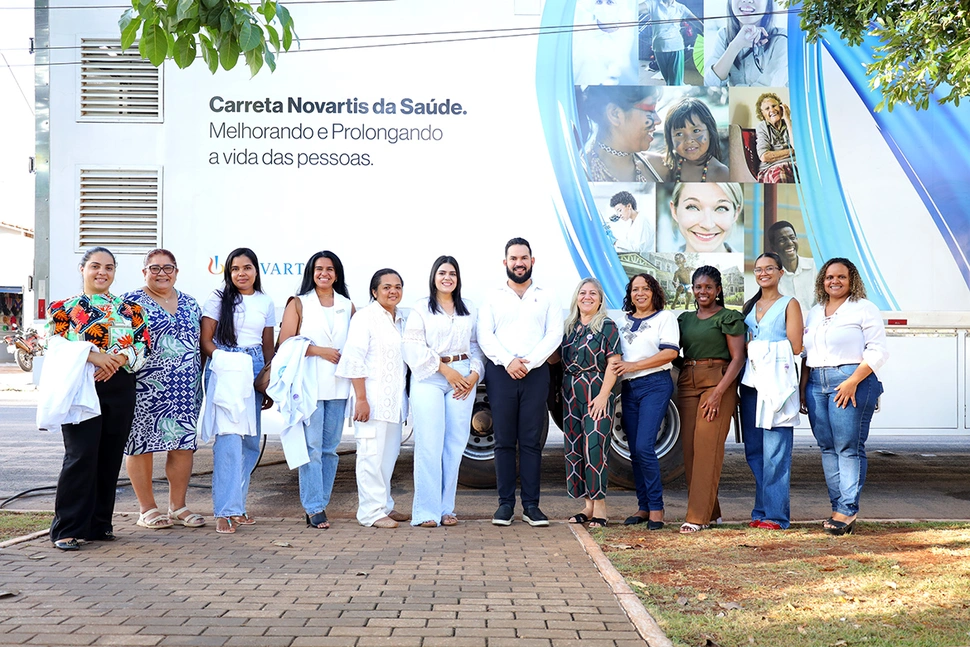
The Leprosy Health Truck in Brazil is a mobile early-detection and awareness unit that brings services closer to communities across endemic states, in partnership with the Ministry of Health. Its crew upskills local healthcare workers, offers free consultations, raises awareness, and identifies new cases. In a typical year, the truck visits 60+ municipalities across five states, where personnel train 1,800 HCPs, reach 5,000+ people, and help diagnose 250 patients.